
Why Most Women Over 40 Are Eating Too Little Protein (Without Realizing It)
You try to eat well.
You choose salads.
You avoid overeating.
You might even skip meals because you think it will help with weight loss.
And yet you still feel hungry… tired… and frustrated that your body isn’t responding the way it used to.
If that sounds familiar, there’s a good chance the issue isn’t how much you’re eating.
It’s what you’re missing.
In particular: protein.
Many women over 40 are unintentionally eating far less protein than their body actually needs. And when that happens, hunger, cravings and stubborn weight loss often follow.
Let’s look at why.
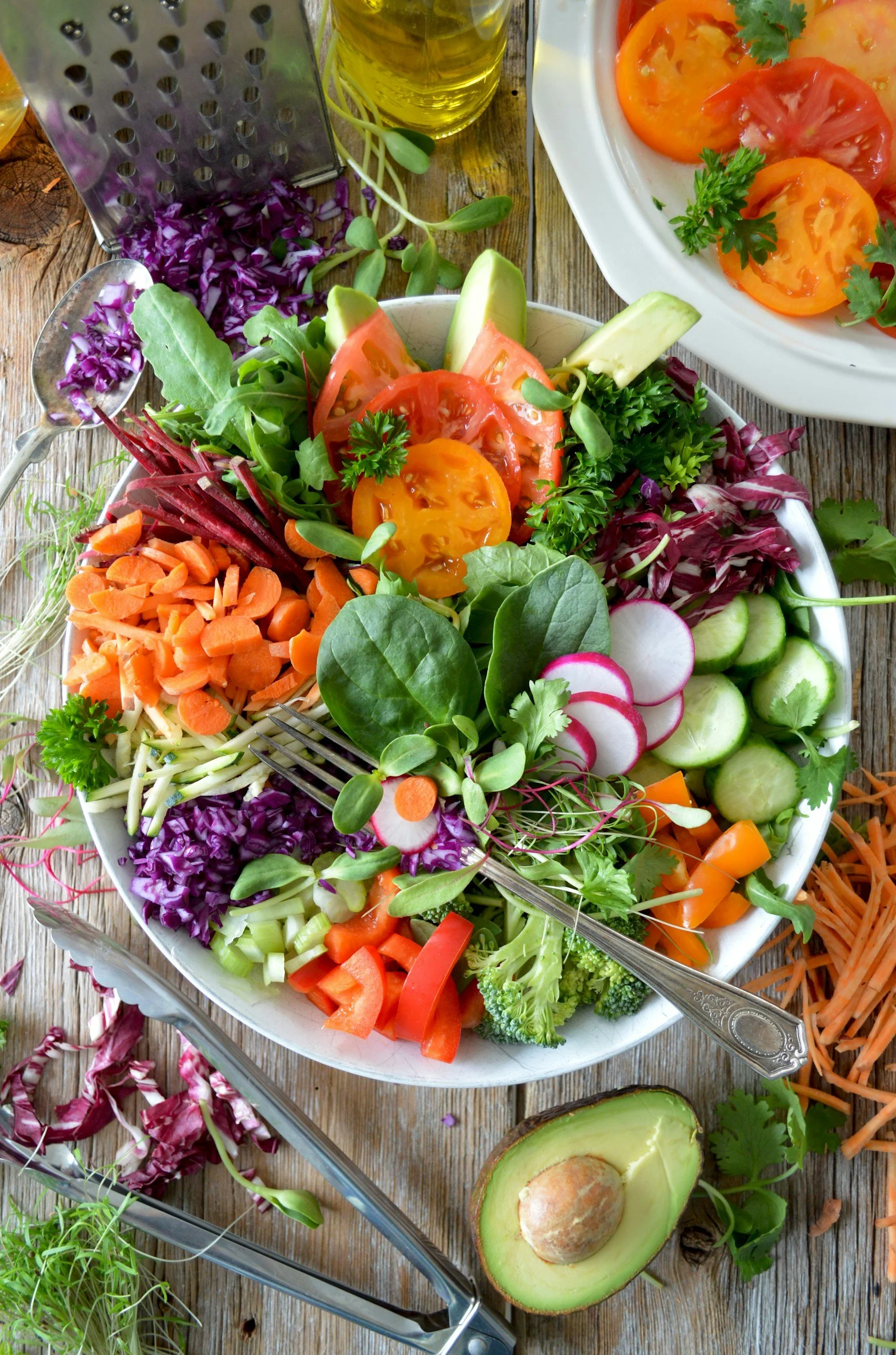
What a “Healthy” Day Often Looks Like
Many women I speak to feel like they eat quite well already.
A typical day might look something like this:
Breakfast: toast with jam or cereal
Lunch: a salad or sandwich
Dinner: a small portion of chicken, pasta or stir fry
Nothing there looks unhealthy.
But if you look closely, most of the day is made up of carbohydrates with very little protein.
Protein only really appears at dinner — and sometimes even that portion is small.
The result?
Your body spends most of the day under-fuelled.
Why This Matters More After 40
As we get older, maintaining muscle becomes even more important.
Muscle doesn’t just give your body shape. It plays a big role in how your metabolism functions and how your body uses energy.
But here’s the challenge: after 40, the body becomes slightly less efficient at maintaining muscle.
That means nutrition becomes even more important than it was in your 20s or 30s.
If protein intake stays low, the body may struggle to maintain muscle properly. Over time, that can contribute to:
• slower metabolism
• increased hunger
• reduced strength
• difficulty losing body fat
This is one reason many women feel like their body has suddenly “changed”.
In reality, their nutrition simply hasn’t adapted to what their body now needs.
Signs Your Body May Not Be Getting Enough Protein
You don’t need to track every gram of food to recognize the signs.
Some common clues include:
You Feel Hungry Soon After Eating
Meals that are mostly carbohydrates digest quickly.
Without enough protein to slow digestion, hunger returns sooner than expected.
You Experience Strong Evening Cravings
When protein intake is low earlier in the day, the body often tries to compensate later.
This is why cravings tend to appear in the evening.
It’s not a lack of discipline.
It’s often a signal that your body needs more nourishment.
Your Energy Feels Unstable
Protein helps stabilize blood sugar levels.
When meals are heavily carbohydrate-based, energy can rise quickly and then crash.
That’s when fatigue and snack cravings appear.
Fat Loss Feels Harder Than It Used To
If muscle maintenance declines and hunger increases, fat loss becomes more difficult.
This is why simply “eating less” rarely solves the problem long term.
Why Guessing Your Protein Intake Doesn’t Work
Once women realize protein might be important, the next question is usually:
"Okay… but how much protein do I actually need?"
And that’s where things get confusing.
Online advice can vary wildly.
Some people suggest extremely high amounts.
Others barely mention protein at all.
The truth is that protein needs are not one-size-fits-all.
Your ideal intake can depend on several things, including:
• body composition
• activity levels
• muscle mass
• metabolism
• lifestyle
This is why guessing — or copying someone else’s diet — often leads to frustration.
The Real Goal: Understanding What Your Body Needs
Your eating habits, lifestyle, metabolism and daily routine all play a role in what your body actually needs. And without looking at the full picture, it’s very easy to guess wrong. That’s exactly why I created the Wellness Snapshot.
It’s a short questionnaire — just eight simple questions about your current eating habits and routines.
Once you complete it, I’ll personally review your answers and send you suggestions via email.
For many women, this is the moment where things finally start to make sense. Instead of trying random advice from the internet, you get clear guidance on the next best step for you.
• Final Thoughts
If you’re over 40 (or really, any age. I struggled with this in my 20’s) and struggling with hunger, cravings or slow weight loss, protein may be a bigger piece of the puzzle than you realize.
Many women are trying to eat less when their body actually needs better nourishment.
Once your body receives the nutrients it needs, everything starts to work more smoothly.
Hunger feels more manageable.
Energy becomes steadier.
And fat loss becomes far more sustainable.
Sometimes the biggest shift isn’t eating less.
It’s eating smarter.
Why Protein Is the Missing Piece in Your Weight Loss After 40
You’ve tried eating less.
You’ve skipped breakfast.
You’ve powered through on coffee.
And yet the scale barely moves.
Here’s what most women over 40 don’t realise: the problem often isn’t that you’re eating too much.
It’s that you’re not eating enough of the right thing.
Let’s look at what actually happens when you start fuelling your body properly — especially with protein.
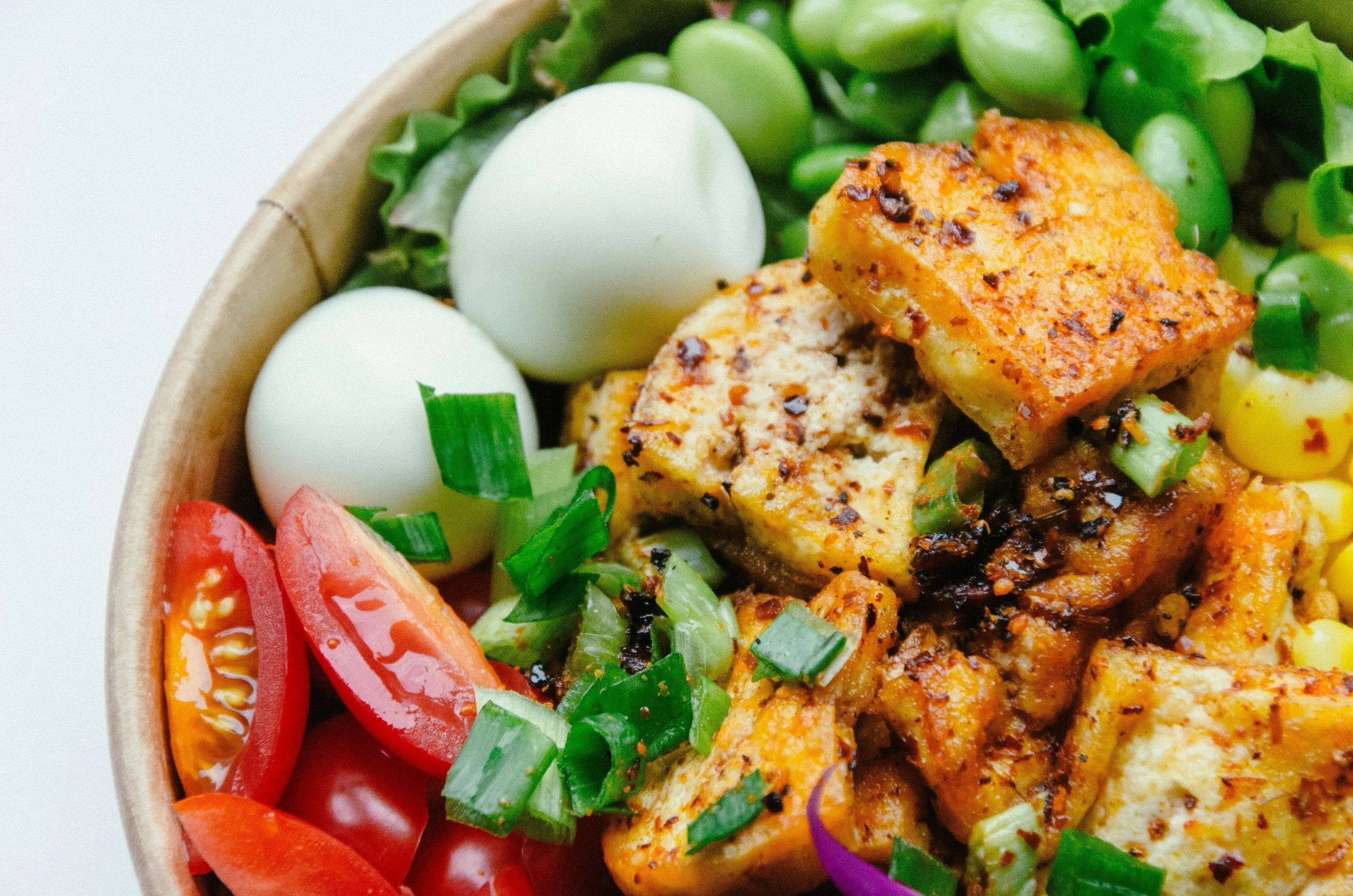
1. Protein Keeps You Fuller for Longer
Protein is the most satisfying macronutrient. It slows digestion and helps stabilise blood sugar, which means fewer spikes and crashes.
When you eat toast on its own or skip breakfast entirely, your blood sugar rises quickly (or drops too low), and by mid-afternoon you’re starving. By evening, cravings feel impossible to ignore.
That’s not lack of willpower. That’s physiology.
But when you begin your day with protein — eggs, Greek yogurt, cottage cheese, or a simple smoothie — something shifts:
Cravings reduce
Energy feels steadier
Evening overeating becomes less intense
You’re not constantly battling hunger. You’re finally giving your body what it needs.
2. Protein Protects Your Muscle (Which Protects Your Metabolism)
After 40, muscle maintenance becomes non-negotiable.
Muscle gives your body shape and firmness. More importantly, it keeps your metabolism healthier. The more muscle you maintain, the more energy your body burns at rest.
When you under-eat — especially protein — your body may break down muscle for fuel. Over time, that makes fat loss harder and weight regain easier.
This is why simply “eating less” can backfire.
Eating adequate protein helps preserve lean tissue, particularly if you’re doing strength training (even bodyweight exercises at home count).
You’re not trying to shrink yourself into nothing.
You’re trying to become stronger underneath.
3. Protein Slightly Boosts Metabolism
Your body burns more calories digesting protein than it does digesting carbohydrates or fat. This is known as the thermic effect of food.
Is it dramatic? No.
But combined with better appetite control and muscle preservation, it adds up. Protein supports weight management from several angles at once — and that’s why it works so well.
How to Add More Protein (Without complication)
Now let’s make this practical.
You don’t need meal plans that take hours. You don’t need expensive ingredients. You don’t need to track every gram.
You need simple structure.
Start With Breakfast
If you’re skipping breakfast, that’s your first fix.
Try:
Greek yogurt with berries and seeds
Two eggs on wholegrain toast
Cottage cheese with fruit
A protein smoothie with frozen fruit
Even 20–30 grams of protein in the morning can change your entire day.
Prep the night before if mornings are busy. Keep it simple.
Build Meals Around Protein
Instead of thinking, “What am I having for dinner?” think, “What’s my protein source?”
Examples:
Chicken, salmon or lean beef
Tinned tuna
Eggs
Tofu or tempeh
Lentils or chickpeas
Add vegetables and carbohydrates around that.
One small mental shift. Big results.
Keep It Affordable
Protein doesn’t have to mean premium cuts of meat.
Budget-friendly options include:
Eggs
Tinned fish
Milk
Greek yogurt
Dried or tinned beans
Lentils
Frozen chicken
Simple food works.
If You’re Vegetarian
You absolutely can meet your needs.
Focus on:
Eggs
Greek yogurt and cottage cheese
Tofu and tempeh
Lentils, beans and chickpeas
Edamame
A quality protein powder
You may need to be slightly more intentional, but it’s completely doable.
A Simple Guideline (No Tracking Required)
Aim for a palm-sized portion of protein at each main meal.
That’s it.
No spreadsheets. No food obsession. Just consistent balance.
Final Thoughts
If you’re over 40 and struggling to lose weight, the solution isn’t more restriction.
It’s smarter fueling.
Protein will not make you bulky. It will not harm healthy kidneys. It will not sabotage your progress.
What it will do is:
Help you feel fuller
Protect your muscle
Support your metabolism
Make fat loss feel sustainable
You don’t need to eat less.
You need to eat strategically.
Start with breakfast. Build from there. Stay consistent.
Small shifts, repeated daily, create lasting change.
Weight Loss Meal Prep: The 10-Minute Evening Routine That Changed Everything for Me
Hey everyone! If you've ever been on a weight loss journey, especially in your 40s, 50s, or beyond, you know how challenging it can be to stay consistent amid busy days. Mornings are rushed, hunger hits hard at work, and it's all too easy to hit the vending machine or grab whatever unhealthy option is lying around. I was stuck in that cycle for years—good intentions fading into impulsive choices. But then I discovered a simple 10-minute evening routine that completely transformed my meal prep and helped me achieve significant weight loss during my major phase. No fancy equipment, no hours in the kitchen—just smart, repeatable habits that fit my life as a creature of habit.
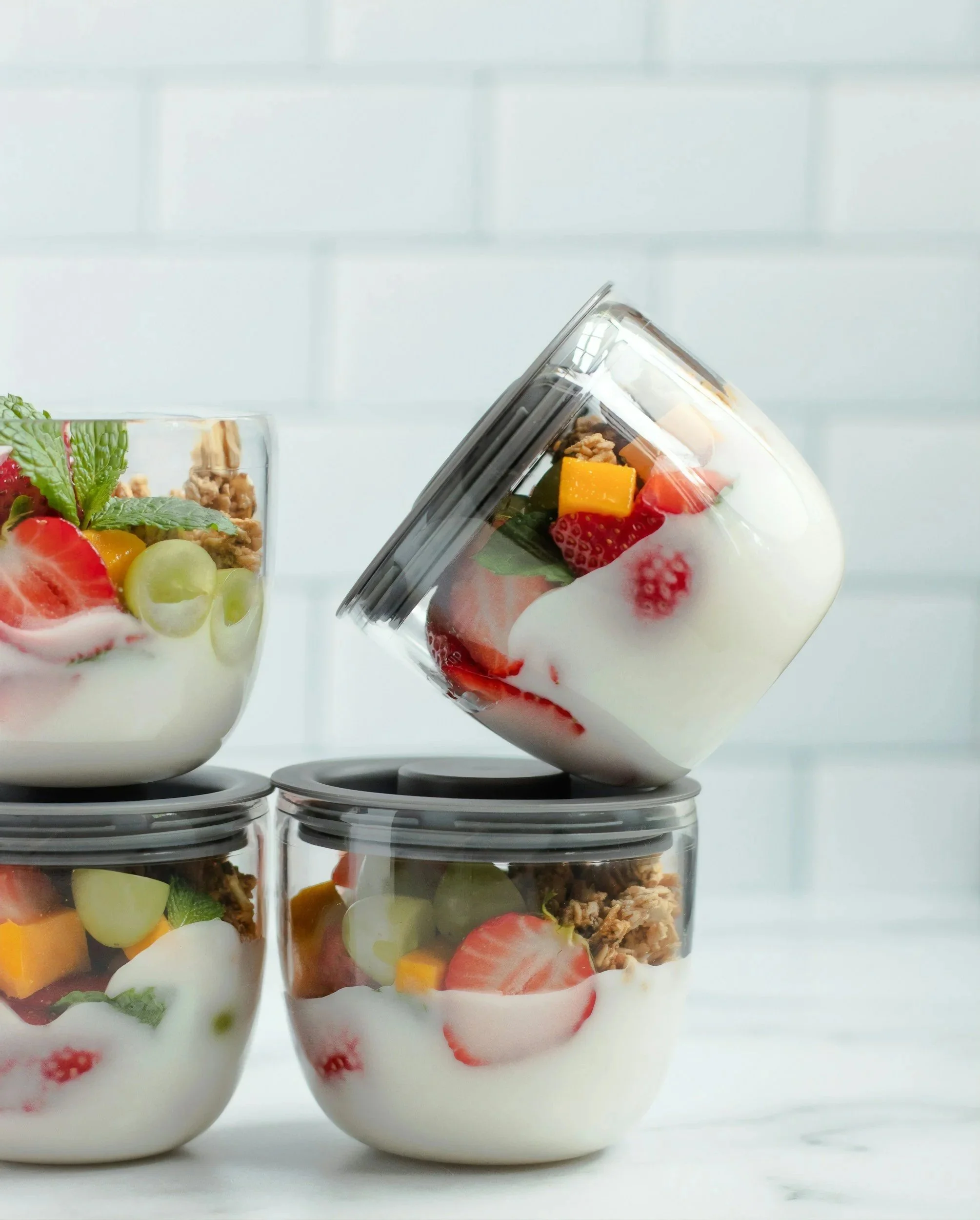
My old routine was chaos: skipping breakfast or grabbing something quick and sugary, then fighting cravings all day that led to takeout lunches or junk snacks. Consistency felt impossible. Inspired by ideas on building simple habits, I started prepping the night before, keeping it super short so it's easy to stick with—even on exhausting evenings.
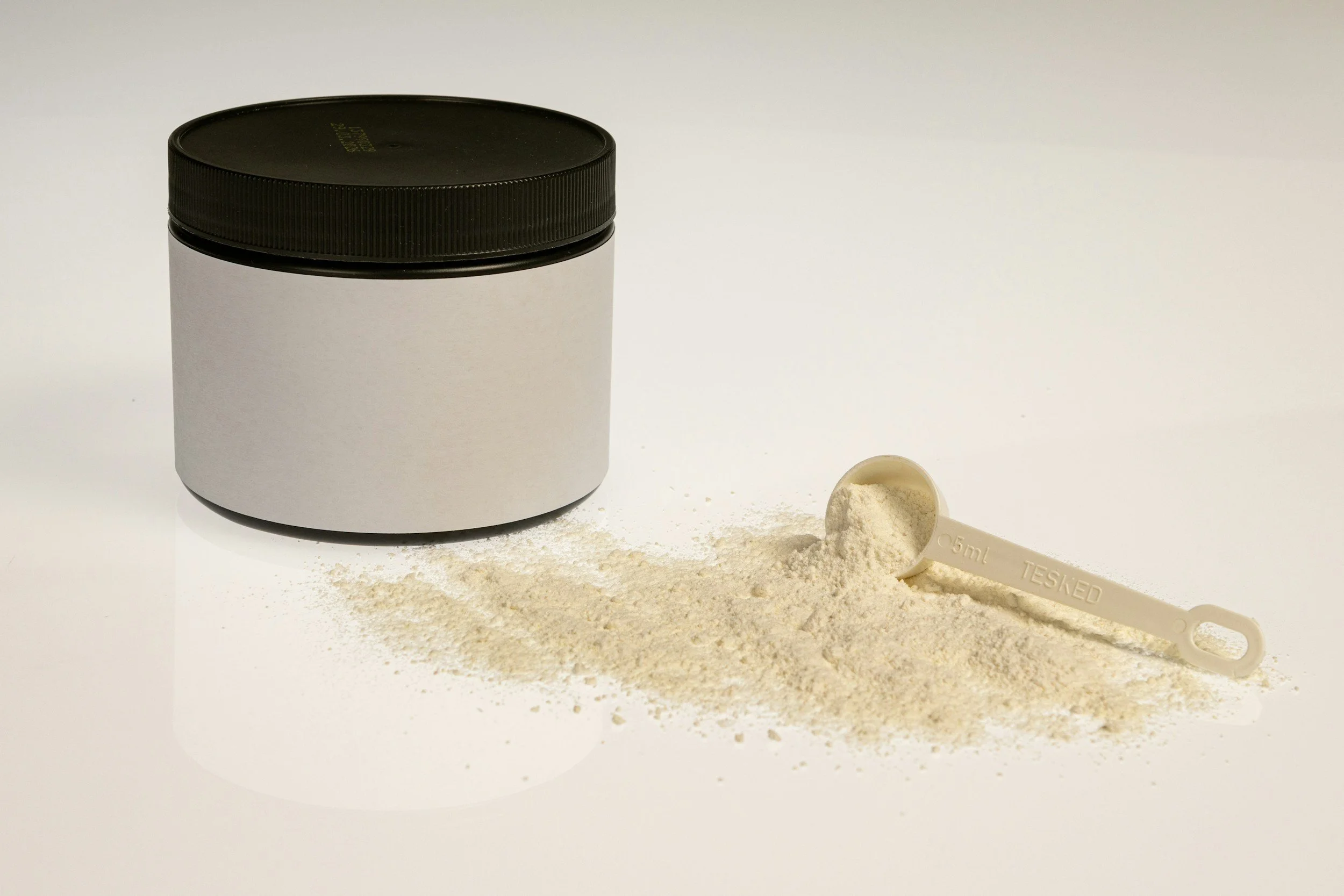
Here's my exact routine: After dinner, while I'm already in the kitchen, I spend about 10 minutes prepping. I use Herbalife shakes—mixing the Protein Drink Mix with Formula 1 powder (no add-ins needed for me; I love the simplicity). I measure out the powders into shaker bottles: one for breakfast and one for the next day's lunch. In the morning, I just add water, shake it up, and it's ready—nutritious, filling, and perfect.
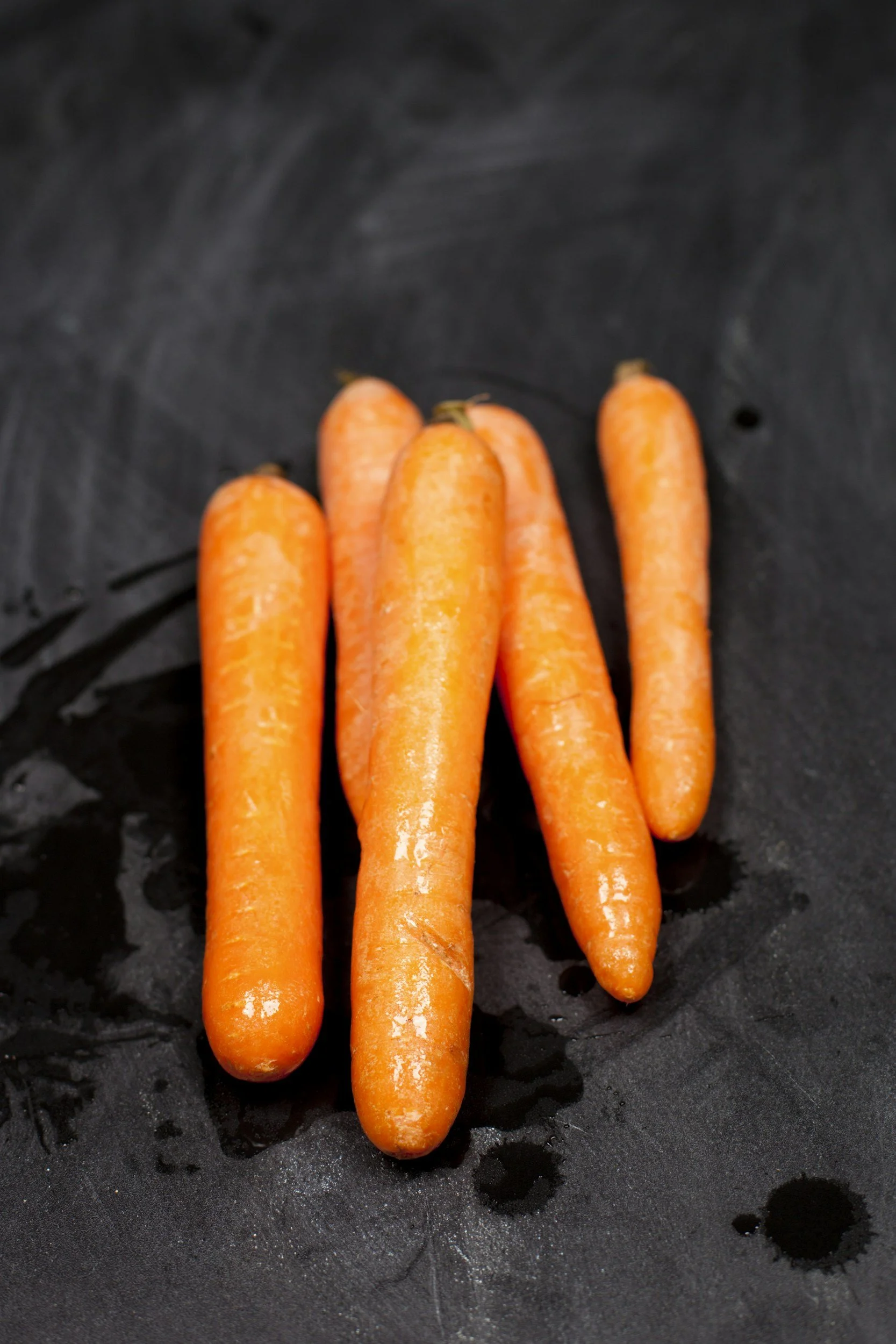
Then, I prep my snacks. For the morning, I portion Greek yogurt with fresh fruit (like berries or whatever's in season) into a small container—light, energizing, and satisfying. For the afternoon, I assemble a quick wrap with deli meat and cheese, plus carrot sticks with hummus on the side. Everything goes into reusable containers or baggies for easy portion control. By the end, my fridge has everything lined up: breakfast shake powder, morning yogurt and fruit, lunch shake powder, and afternoon wrap with veggies and hummus. Come morning, I grab it all, toss into my lunch box, and go. It's effortless!
This routine works wonders because I'm a total creature of habit—it doesn't bother me one bit to eat the same reliable meals daily (or even for a whole week). Having everything pre-decided eliminates temptation. No more vending machine runs or grabbing alternatives when hunger strikes. I walk past those traps knowing I have balanced, ready-to-eat options that keep me full and in a calorie deficit without feeling restricted.
The results? Steady progress, better energy, fewer cravings, and real, sustainable weight loss. I still enjoy flexible dinners or weekend treats, but weekdays are locked in with this system. It's simple, customizable, and proves that small evening efforts lead to big changes.
If you're ready for consistency without overwhelm, try this for a week. Drop me a comment if you are going to or do try this! As someone thriving in my 40s, 50s, and beyond, I can tell you—it might just change everything for you too!
Easy Meal Prep for Beginners: 5 Make-Ahead Dinners I Rotated to Stay on Track (Meal Prep for Weight Loss + Simple Meal Prep for Women Over 40)
Hi, it’s Kari!
When I lost my 117 pounds (and kept it off for years), Sunday meal prep became my non-negotiable. These 5 dinners were in heavy rotation because they’re dead-simple, taste even better as leftovers, and kept me from ordering take-out on busy weeknights.
Everything gets made on Sunday, portioned into glass containers, and reheats beautifully Monday through Thursday. (Friday we usually celebrate with something!)

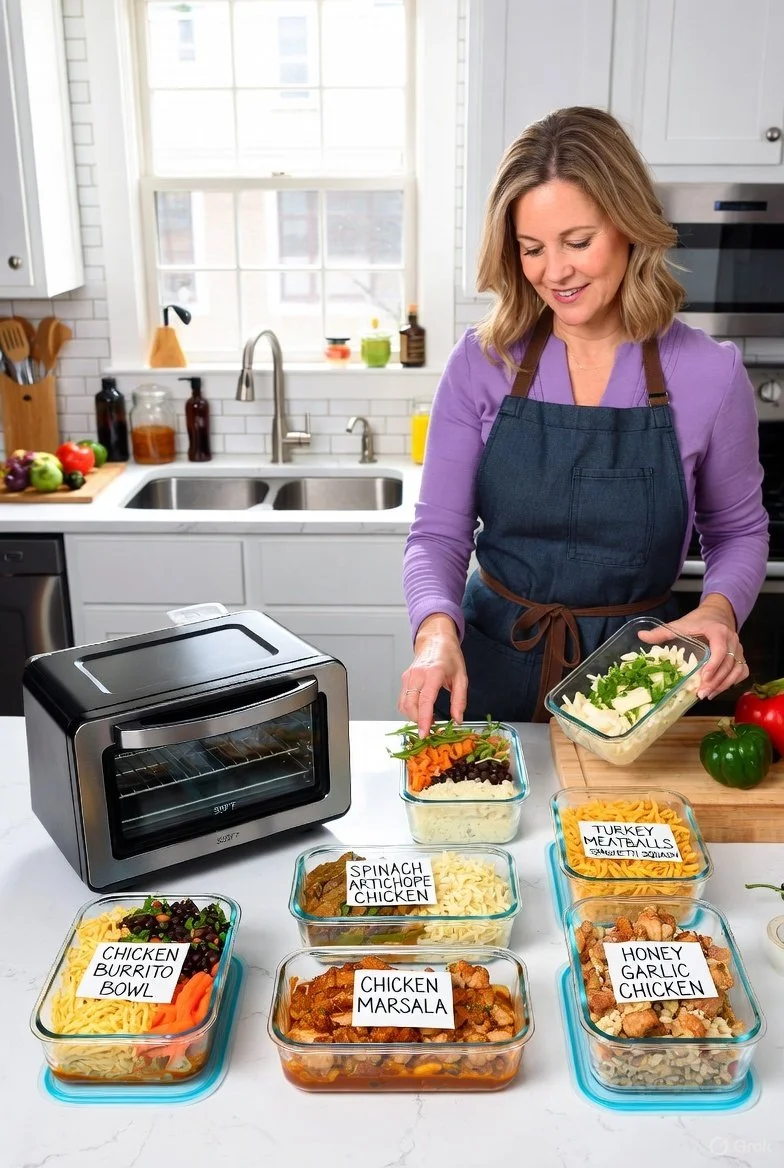
Here are the exact 5 make-ahead dinners I rotated each week for months:
Chicken Burrito Bowls (no rice!)
Grilled or baked chicken breast strips
Black beans (rinsed & seasoned with cumin + garlic)
Sautéed peppers & onions
Fresh pico de gallo or salsa, avocado slices, squeeze of lime
→ I make 5 bowls on Sunday. Zero rice keeps it light and blood-sugar friendly.
2. Creamy Spinach-Artichoke Chicken Bake
Chicken breasts baked in a lightened-up spinach-artichoke mixture (cheese wedges, parmesan & spinach instead of cups of cream cheese)
→ One 9×13 pan = 5 perfect portions. So comforting on a chilly night.
3. Turkey Meatballs + Spaghetti Squash
Lean ground turkey meatballs (baked, never fried)
Roasted spaghetti squash strands
Rao’s or another low-sugar marinara
→ Tastes like classic spaghetti & meatballs but leaves me full and satisfied without the carb crash.
4. Chicken Marsala (no pasta)
Thin chicken breast cutlets in a healthy and gorgeous mushroom-marsala sauce
Served with extra mushrooms and sometimes a side of roasted broccoli or cauliflower rice
→ Fancy restaurant vibes, zero fuss.
5. Sticky Honey-Garlic Chicken
Chicken breasts baked in a simple honey-garlic-soy glaze (I use less honey than most recipes and it’s still delicious)
Roasted sweet potatoes and green beans on the side
→ Sweet-savoury heaven and my family’s favourite.
My Sunday Routine (takes me about 1 - 1 1/2 hours total):
Groceries are already in the kitchen, because I’ve planned ahead
Prepare the main dish and bake if needed
Prepare any side dishes (veggies, sweet potatoes, spaghetti squash, etc)
Portion everything into glass containers while listening to your favorite music
Clean up the kitchen and the rest of the day is yours to enjoy
My Exact Portions (for sustainable weight loss/maintenance):
I aim for roughly 300-400 calories per dinner (but let’s be real; every person needs their own personalized calorie plan) with a good balance of protein + healthy carbs + veggies. Here’s what one portion looks like for me:
Chicken Burrito Bowl: 4–5 oz grilled chicken + ½ cup black beans + lots of peppers/onions + ¼ avocado
Spinach-Artichoke Chicken: 5–6 oz chicken + a scoop of the creamy spinach mix
Turkey Meatballs + Squash: 4–5 meatballs + half a roasted spaghetti squash + sauce
Chicken Marsala: 5 oz chicken cutlet + extra mushrooms/sauce
Honey Garlic Chicken: 5–6 oz breast + roasted broccoli
Reheating without the microwave (because I’m over that too!)
Right now I just pop the glass container straight into a 350 °F oven for 12–15 minutes or use a small countertop toaster oven/air-fryer at 325 °F for 10–12 minutes. Crisps things up nicely and tastes freshly made. I’m testing a few other methods and will update you the minute I land on my new favourite! These 5 dinners kept me losing (and now maintaining) without ever feeling deprived. Pick 2–3 to start with this weekend – your future weekday self will thank you. Ready for your own custom plan that fits your exact life, tastes, and schedule?
Take my free 2-minute Wellness Snapshot right now and I’ll send you a personalised starting point (including more meal-prep ideas & full recipes tailored just for you!).
See you inside!
Kari
Take the Free Wellness Snapshot Here
Meal Prep for Weight Loss: My Exact 200-Calorie Breakfast Shake Routine That Helped Me Lose 117 lbs
It all begins with an idea.
Hey there, friends!
If you’ve been here a while, you know I dropped 117 pounds the slow, sustainable way – no fad diets, no starvation, just smart, repeatable habits. The single biggest needle-mover for me? Taking total control of breakfast with a 3-minute weekly meal prep that costs almost nothing and clocks in at just ~200 calories.Today I’m giving you my EXACT routine – the one I still use every single day. If you’ve ever searched “easy meal prep ideas for weight loss,” this is the post you’ve been looking for.
Why This Breakfast Changed Everything for Me. Mornings used to be chaos → grab a bagel, crash by 10 a.m., and blow my calorie budget before lunch. Once I started prepping this shake, everything flipped:
Energy stayed steady
Hunger disappeared until snack time
I effortlessly stayed in my 1,700–1,800 calorie deficit
Decision fatigue = gone
My Dead-Simple 3-Minute Weekly PrepGrocery List (bare-bones version – I buy the same 3 things every week):
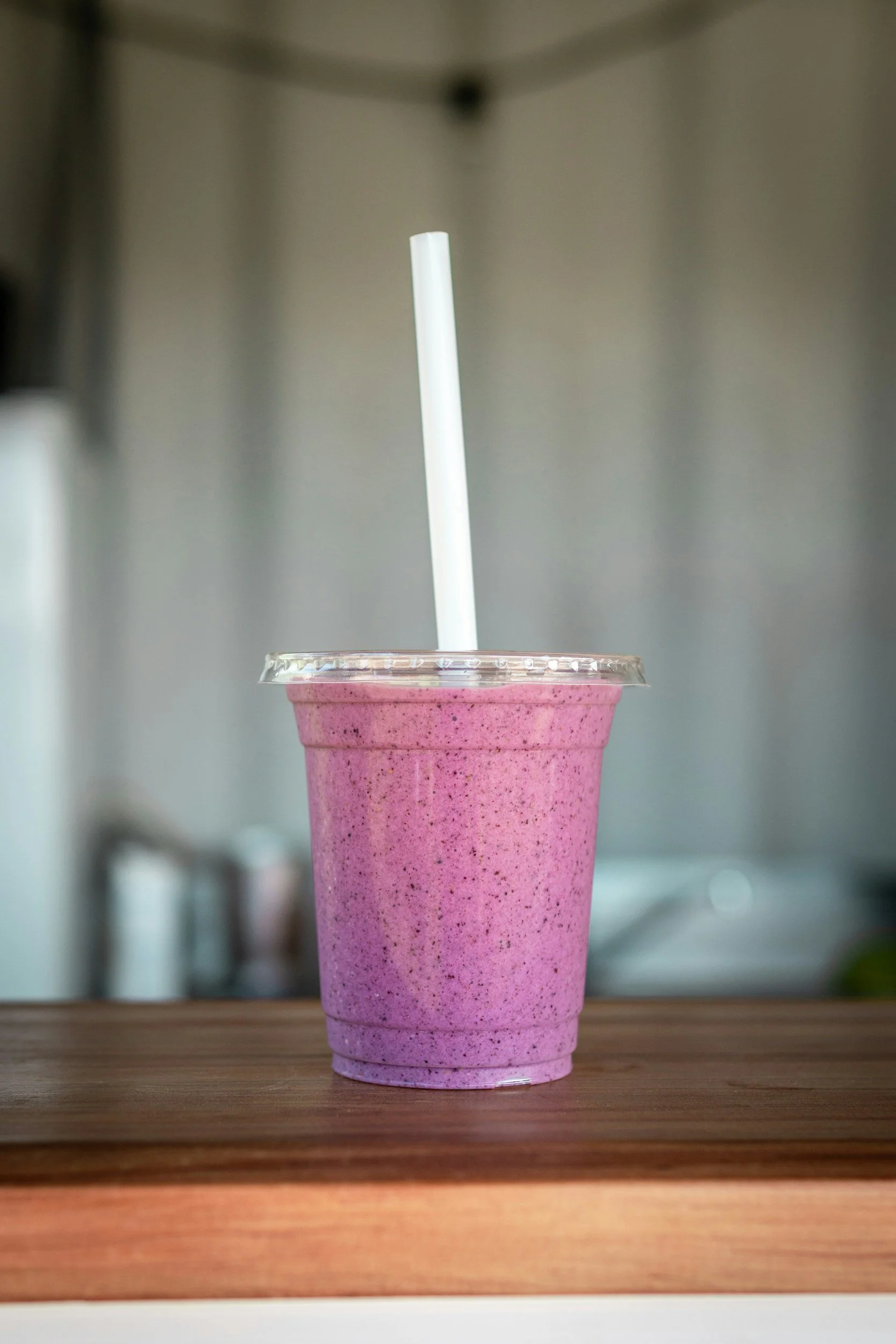
Vanilla or chocolate protein powder (24–30g protein per serving)
Frozen mixed berries (I grab the big Costco bag) (optional)
Baby spinach (optional)
That’s literally it. No chia seeds, no nut butter, no banana, no Greek yogurt. Those extras just add calories I don’t need when the base already hits my protein goal and keeps me full. Sunday Prep (3 minutes, no joke): Line up 7 small zip bags and add to each:
1 serving protein powder
1 cup frozen berries (if using it)
Big handful of spinach (if I’m using it that week)
Seal → toss in freezer or leave on counter if skipping greens & berries. Done.
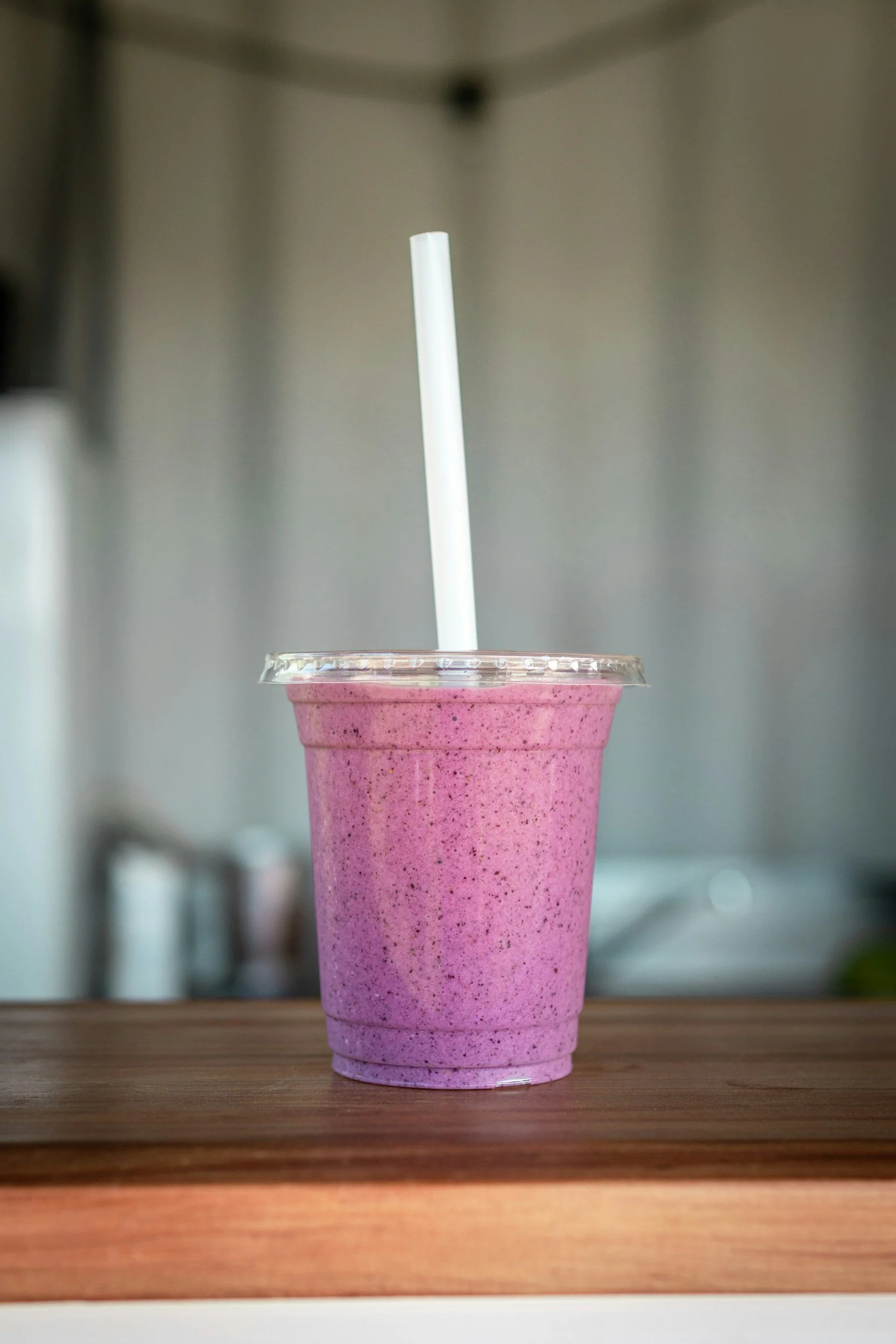
Morning Routine (under 90 seconds): Dump one bag into blender → add 8 oz cold water + handful of ice → blend 1-2 minutes (or 30 seconds if skipping ice). Pour into a shaker bottle and go.
Macros & Calories (my exact daily shake): ≈ 200 calories
24-29g protein
18–22g carbs
5-7g fat
Tastes like a berry milkshake, keeps me full for 2-3 hours, and leaves me 1,500+ (depending on your goals) calories for the rest of the day.
How This One Meal Helped Me Lose 117 Pounds
This tiny habit removed temptation, guaranteed I started every day in a deficit, and gave me predictable energy for my 10,000 daily steps. The high protein protected my muscle mass while the scale kept dropping – week after week, month after month.
Make It Work for You – Quick Customization Tips
Just starting? Prep only 3–4 days to ease in.
Super active? Adjust your calories and macros according to activity.
Want flavor variety? Rotate protein flavors or add 1 tsp cocoa powder or cinnamon – still under 210 calories.
Hate greens in shakes? Skip them – just make sure you get veggies later in the day.
Ready to Try the Routine That Transformed My Body?
This 200-calorie shake isn’t fancy, but it’s the most powerful habit I’ve ever built. If I can lose 117 lbs with it while running multiple businesses, you can absolutely crush your goals too.
Want this plan personalized to your exact age, height, weight, and activity level? Take my free 60-second Wellness Snapshot Quiz and I’ll quickly send you a custom starter plan.
Drop an emoji in the comments if you’re trying this next week!
Tag me on Instagram @healthymeinmy40s50sandbeyond when you make your first batch – I repost my favorites!
You’ve got this – one shake at a time.
Love,
Kari
P.S. Always check with your doctor before making major changes. Results aren’t typical, but consistency is magic.
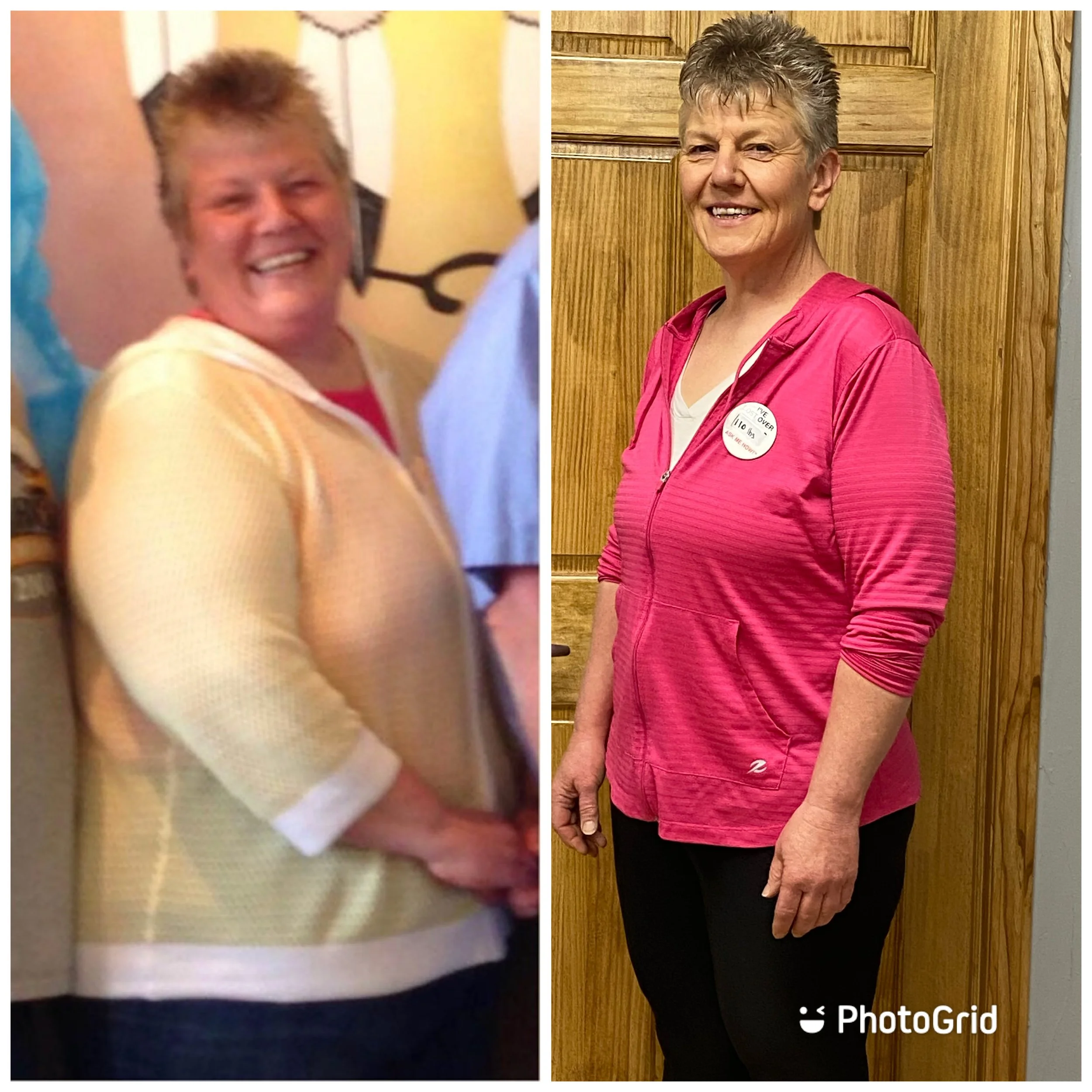
How I Lost 117 Pounds After 40 – My Real Story (No Crash Diets, No Gimmicks)
Changing the trajectory of my life!
I was rapidly approaching my mid-forties, tipping the scale at close to 320 lbs, and running a Bar & Grill and catering business with my husband.
I had zero time, zero energy, and a very real fear that if I didn’t change something soon, I wasn’t going to be around much longer.The struggle with my weight started when I was a little girl. I never learned how to fuel my body properly, never learned the real benefits of movement (probably because I just didn’t want to), and I definitely never learned anything different.
Finally — more out of necessity than desire — I got ready.
I lost the first 15 lbs almost by accident… and then I kept going.
117 pounds gone.
One hundred and seventeen freaking pounds!
Today, at 57, I have more energy than I did at 24. I’m healthy, active, happy to be alive, and living a life I truly LOVE. Nothing lights me up more than watching my clients lose 20, 50, 80 lbs and light up with the same joy I feel every single day.
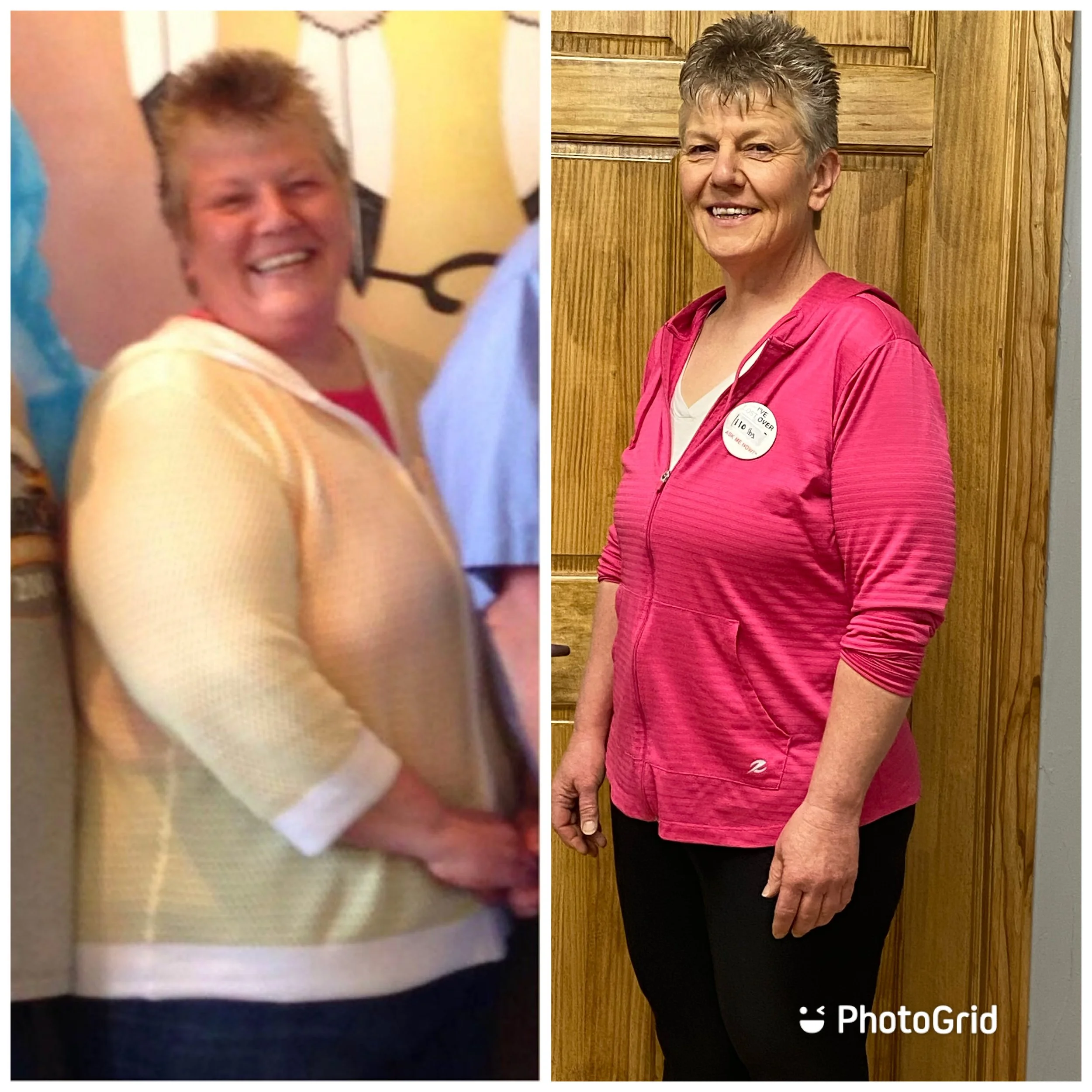
This wasn’t magic, Ozempic, or killing myself in the gym.
It was simple, sustainable habits that finally stuck:
Starting the day with real fuel (my 30-second protein shake changed everything)
Walking every single day — even when I didn’t feel like it
Filling my plate with color so I actually feel satisfied (and never deprived)
Learning to be kinder to myself on the hard days
Little reminders I wish someone had told me sooner:
You are enough.
It’s okay to have bad days.
Don’t believe every negative thought you have about yourself.
You are so very loved.
And above all — be kinder to yourself.
If you’re tired of the start-over-Monday cycle, done with overwhelm, and ready for your own “I feel amazing” chapter (whether that’s 17 lbs or 117 lbs), I’ve got your back.
Take 2 minutes right now and grab my Free Wellness Snapshot. Answer a few quick questions and I’ll send you personalized next steps — no pressure, no judgment, just real support from someone who’s walked every step of this road.
You’ve got this… and I’ve got you.
Let’s do this together.
With love & the biggest cheerleader energy,
Kari
Grocery Shopping with a Plan: what and how!
In today’s fast-paced world, it’s easy to succumb to the convenience of processed foods and pre-packaged meals or eating out. However, making the effort to prioritize healthy grocery shopping can have a profound impact on your overall well-being. By filling your cart with nutritious, whole foods, you’re not only fueling your body with essential nutrients but also laying the foundation for a healthier lifestyle. In this blog post, we’ll explore the art of healthy grocery shopping and provide practical tips to help you make informed choices that support your health goals.Below are great steps for grocery shopping with a plan!
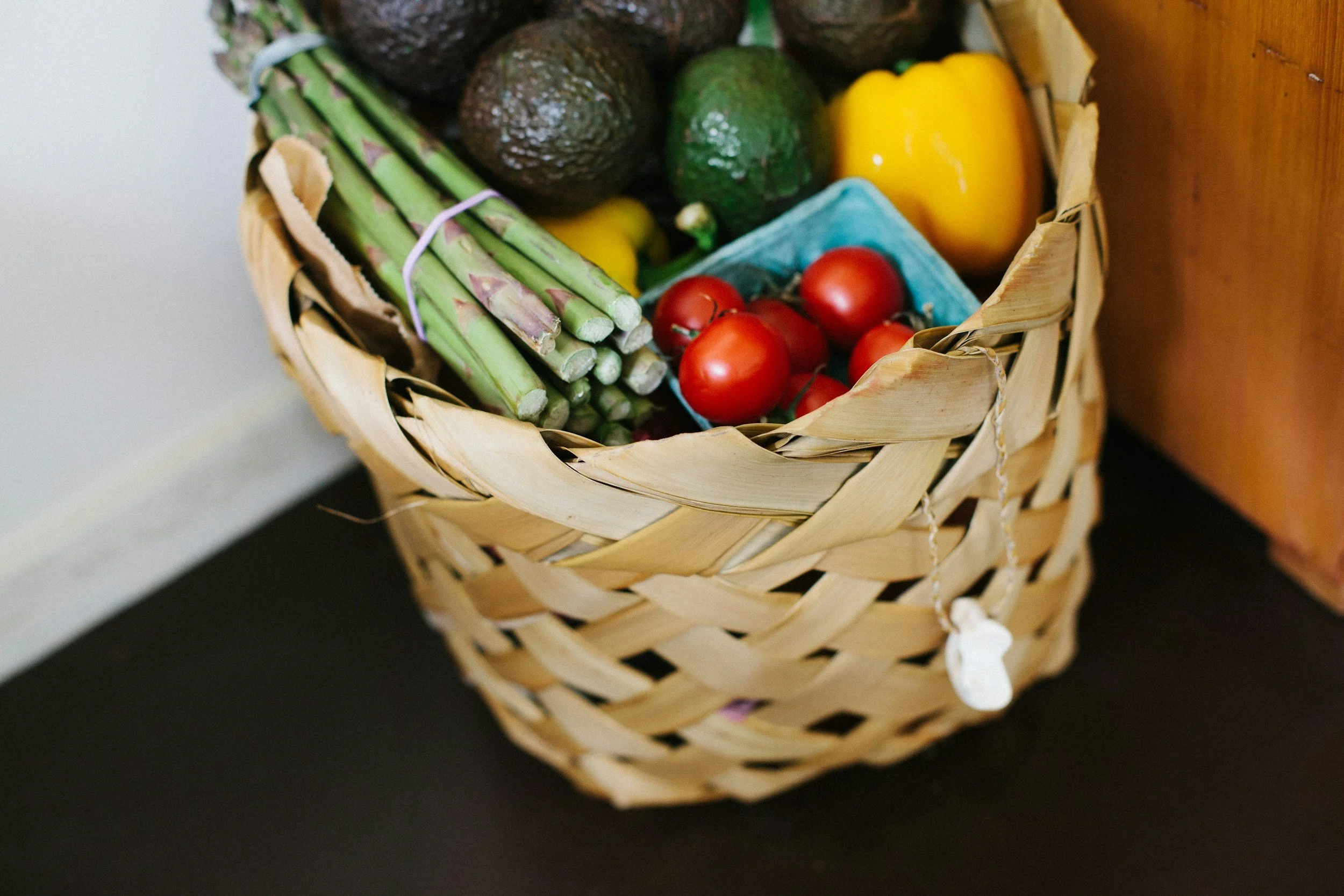
Plan Ahead: Before you even set foot in the grocery store, take some time to plan your meals and snacks for the week. Consider your schedule, dietary preferences, and any special occasions that might require specific ingredients. Creating a meal plan not only helps you stay organized but also prevents impulse buys and reduces food waste.
Make a List: Once you have your meal plan in place, make a detailed grocery list based on the recipes you’ll be preparing. Be sure to include a variety of nutrient-rich foods such as fruits, vegetables, whole grains, lean proteins, and healthy fats. Having a list keeps you focused and less likely to veer off course and grab unhealthy items.
Shop the Perimeter: When navigating the aisles of the grocery store, focus on shopping the perimeter first. This is where you’ll find fresh produce, meats, and other whole foods. The inner aisles tend to be stocked with processed foods and sugary snacks, so try to limit your time there.
Read Labels: When selecting packaged foods, take the time to read the labels carefully. Look for products with simple, recognizable ingredients and avoid those that contain added sugars, artificial preservatives, and excessive amounts of sodium. Pay attention to serving sizes and nutritional information to make informed choices.
Choose Whole Grains: Opt for whole grains such as brown rice, quinoa, oats, and whole wheat bread over refined grains like white rice and white bread. Whole grains are rich in fiber, vitamins, and minerals, and provide sustained energy to keep you feeling full and satisfied.
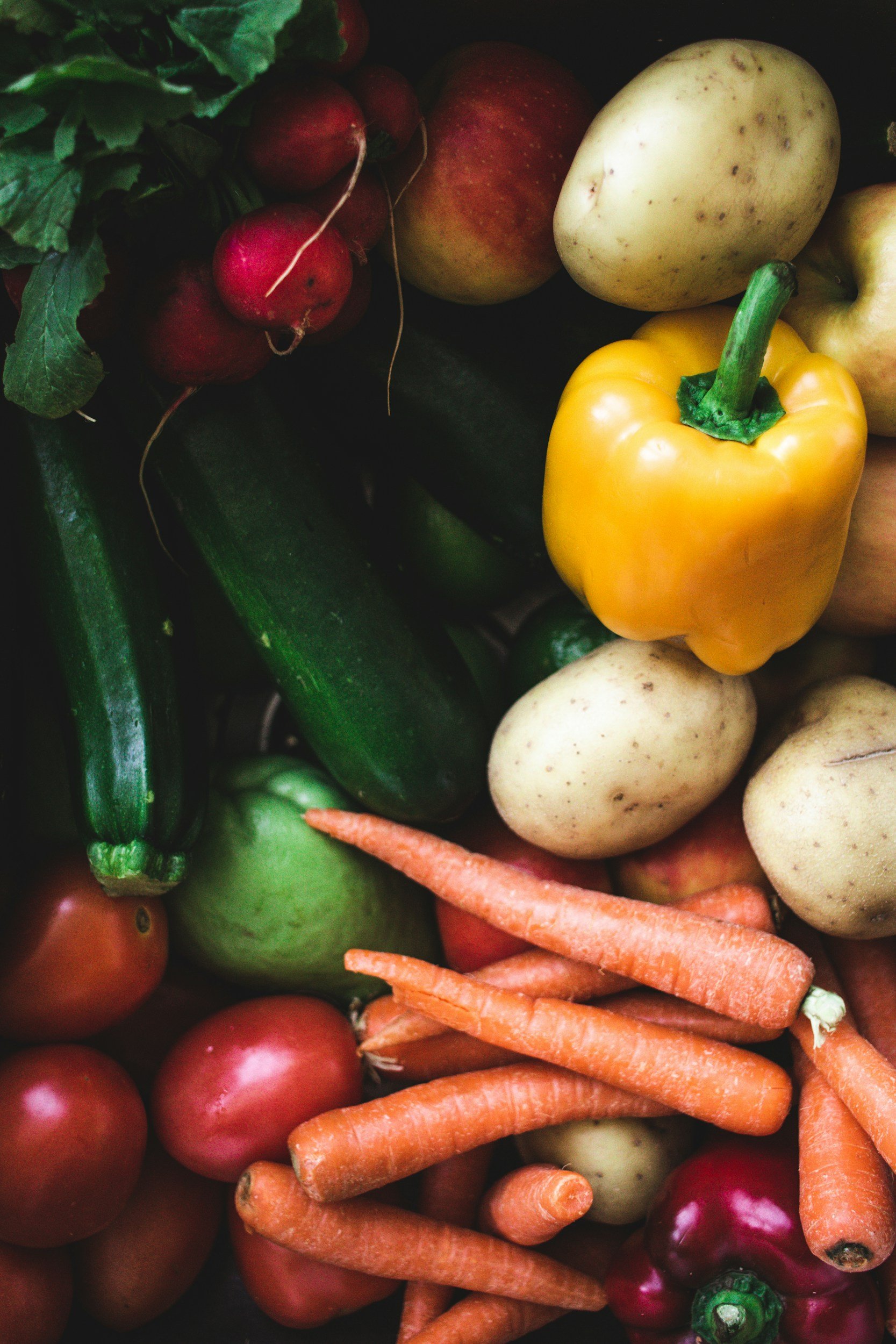
Stock up on Fruits and Vegetables: Fill your cart with a rainbow of fruits and vegetables, aiming to include a variety of colors and textures. These nutrient-packed foods are rich in vitamins, minerals, and antioxidants that support overall health and may reduce the risk of chronic diseases.
Don’t Forget Healthy Snacks: Instead of reaching for chips or cookies, choose healthier snack options such as nuts, seeds, yogurt, or fresh fruit. These snacks provide a satisfying crunch or sweetness while offering essential nutrients to keep you energized throughout the day.
Stay Hydrated: Don’t forget to hydrate! Along with your groceries, make sure to pick up plenty of water to keep you hydrated and support optimal bodily functions.
Healthy grocery shopping is a fundamental step towards improving your diet and overall well-being. By planning ahead, making a list, choosing whole foods, and staying mindful of your selections, you can nourish your body with the nutrients it needs to thrive. Remember, small changes add up over time, so start incorporating these tips into your grocery shopping routine today for a healthier tomorrow. Your body and mind will thank you for it!
Click below to take my quick Wellness Snapshot – in under 2 minutes you’ll discover your personal wellness score + the exact next steps that worked for me!

How Protein Helps with Weight Management: Myths, Facts, and Easy Ways to Add More
It all begins with an idea.
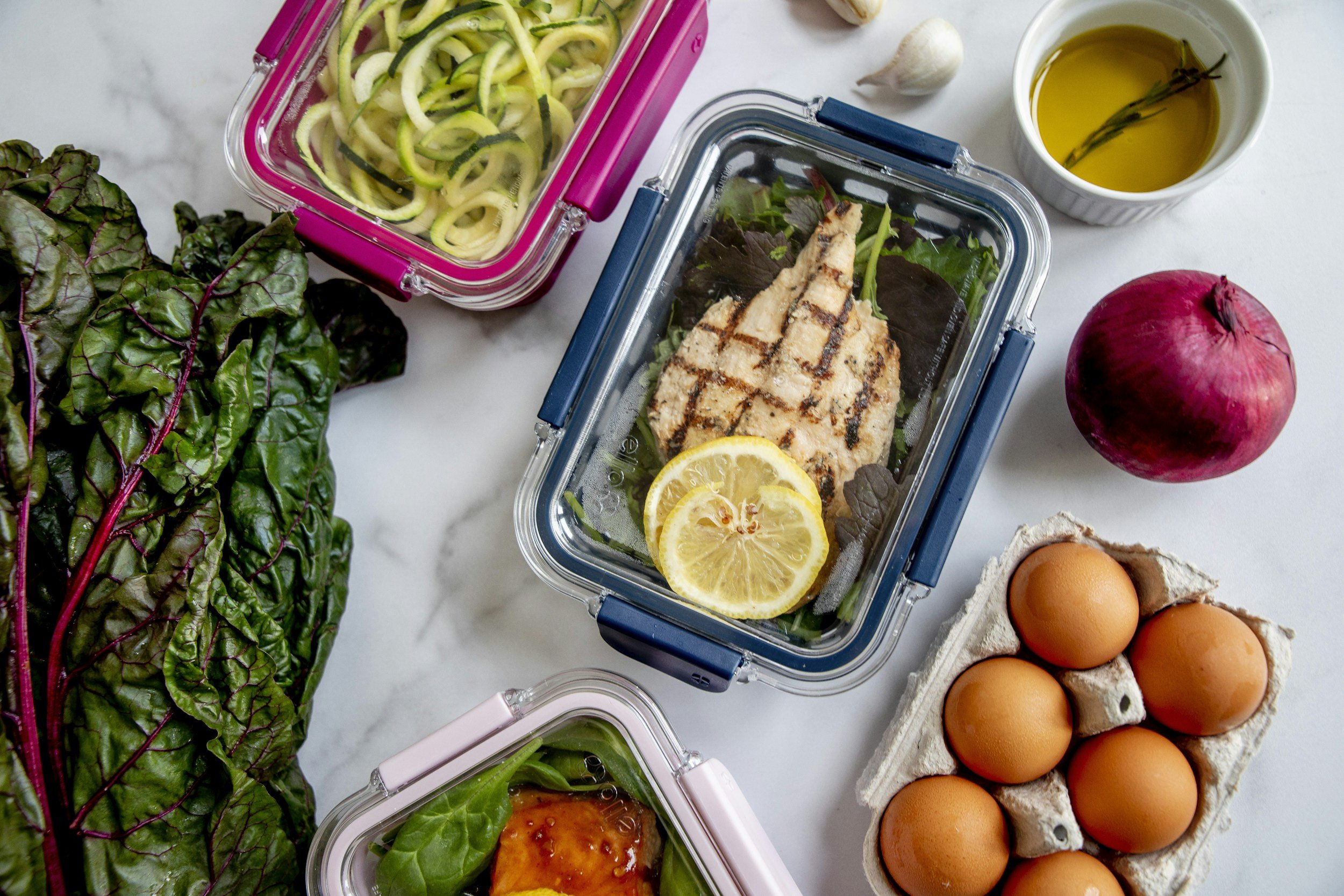
You’re tired.
You skip breakfast because you’re “not hungry”. You drink coffee instead. You try not to snack. You eat lightly during the day and tell yourself you’re being good.
And yet… the weight isn’t moving.
You feel frustrated because you’re barely eating and still not losing weight. You feel scared to eat more because what if that’s the thing that makes you gain? And if someone suggests adding more protein, part of you thinks, “Isn’t that for bodybuilders?” or “Won’t that damage my kidneys?”
Here’s the truth: after 40, eating less isn’t always the answer. In fact, it can be the very thing holding you back.
As a weight loss coach who has personally lost 117 lbs, I’ve been exactly where you are. I used to think the key was eating as little as possible. But what I learned — both through experience and coaching other women — is this: your body doesn’t need less food. It needs the right fuel.
In this article, you’ll learn how protein actually supports weight management after 40, which common myths you can stop worrying about, and simple, affordable ways to add more protein into your day without cooking complicated meals or tracking every gram.
Why Eating Less Stops Working After 40
For years, you may have believed weight loss was simple: eat less, move more.
And maybe in your 20s or 30s, that worked.
But after 40, your body changes.
You naturally lose muscle as you age. This process speeds up during and after menopause. Less muscle means a slower metabolism. So when you start skipping meals and eating less, your body doesn’t think, “Brilliant, we’ll burn fat.” It thinks, “We’re not getting enough fuel — slow everything down.”
That’s when you notice:
Lower energy
Stronger evening cravings
Feeling shaky or irritable
Weight that won’t shift despite “hardly eating”
When you skip breakfast and rely on coffee, your body runs on stress hormones. That can suppress appetite for a while. But later in the day, hunger catches up — and it often hits hard in the evening when willpower is low.
This isn’t a lack of discipline. It’s biology.
On top of that, when you under-eat — especially protein — your body can break down muscle tissue for energy. Remember, muscle is what keeps your metabolism higher. So the less protein you eat, the harder fat loss becomes over time.
That’s why eating less can backfire after 40.
The goal isn’t to eat more randomly. It’s to eat strategically — especially when it comes to protein.
Because when you give your body enough protein:
You stay fuller for longer
You protect the muscle you have
You support a healthier metabolism
You stop fighting your body and start working with it.
Next, let’s tackle the first big fear head on: Will eating more protein make you bulky?
Myth #1: Eating More Protein Will Make You Bulky
This is one of the biggest fears I hear.
“If I eat more protein, won’t I bulk up?”
Short answer? No.
Building large amounts of muscle does not happen by accident. It requires heavy resistance training, a calorie surplus, and very specific programming over time. Simply adding more protein to your meals will not suddenly make you look like a bodybuilder.
In fact, after 40, the challenge isn’t gaining too much muscle — it’s losing it.
As you age, your body naturally breaks down muscle more easily. If you’re skipping meals and not eating enough protein, that muscle loss happens faster. And when muscle goes down, metabolism follows.
That “soft” feeling many women notice? It’s often not because they have too much muscle. It’s because they’ve lost muscle and gained fat.
Protein doesn’t bulk you up. It helps you maintain lean tissue so your body looks firmer, stronger and more defined — even if the scale doesn’t dramatically change at first.
There’s also something important to understand here: muscle is metabolically active. That means it burns more energy than fat, even at rest. So maintaining muscle makes weight management easier long term.
Adding protein isn’t about getting bigger.
It’s about:
Protecting your metabolism
Supporting strength
Reducing cravings
Making fat loss more sustainable
You’re not trying to become bulky. You’re trying to become metabolically healthy.
And protein supports that.
Next, let’s address the other concern many women have: Is eating more protein bad for your kidneys?
Myth #2: Is Eating More Protein Bad for Your Kidneys?
This one comes up a lot.
You may have heard that high-protein diets damage your kidneys. It sounds serious — and if you’re already feeling cautious about changing your diet, that rumour can stop you in your tracks.
Here’s what you need to know.
For healthy individuals with normal kidney function, eating a higher-protein diet does not cause kidney damage. That concern mainly applies to people who already have diagnosed kidney disease and have been medically advised to limit protein.
If your kidneys are healthy, they are designed to process protein. That’s part of their job.
And let’s be clear — when we talk about “higher protein” in this context, we’re not talking about extreme bodybuilder-level intake. We’re talking about eating adequate protein at each meal so your body has what it needs. For most women over 40, that simply means including a solid protein source with breakfast, lunch and dinner.
In fact, under-eating protein can create more problems than eating enough of it.
After 40, protein becomes even more important because your body becomes less efficient at using it. That means you often need slightly more than you did in your 20s to maintain muscle and support metabolism.
So unless you’ve been told by a healthcare professional that you have kidney issues, increasing your protein intake to sensible levels is not something to fear.
What you should be concerned about is this:
Skipping meals.
Running on caffeine.
Losing muscle year after year.
That’s what makes weight loss harder.
Now that we’ve cleared up the fears, let’s talk about what protein actually does for your body — and why it can make weight management feel easier instead of harder on my next blog.
If this post resonated with you—whether it’s rethinking protein for better satiety, finding sustainable ways to manage weight, or carving out more self-care in your busy week—I’d love for you to stick around. Subscribe below to get new recipes, practical tips, and gentle encouragement delivered straight to your inbox. We’re in this together on the journey to feeling energized, balanced, and truly well.
Curious about what your own protein needs look like for your goals and lifestyle? Click the link above to fill out the quick Wellness Snapshot, book a free chat, and get personalized insights tailored just for you.