Why Most Women Over 40 Are Eating Too Little Protein (Without Realizing It)
You try to eat well.
You choose salads.
You avoid overeating.
You might even skip meals because you think it will help with weight loss.
And yet you still feel hungry… tired… and frustrated that your body isn’t responding the way it used to.
If that sounds familiar, there’s a good chance the issue isn’t how much you’re eating.
It’s what you’re missing.
In particular: protein.
Many women over 40 are unintentionally eating far less protein than their body actually needs. And when that happens, hunger, cravings and stubborn weight loss often follow.
Let’s look at why.
What a “Healthy” Day Often Looks Like
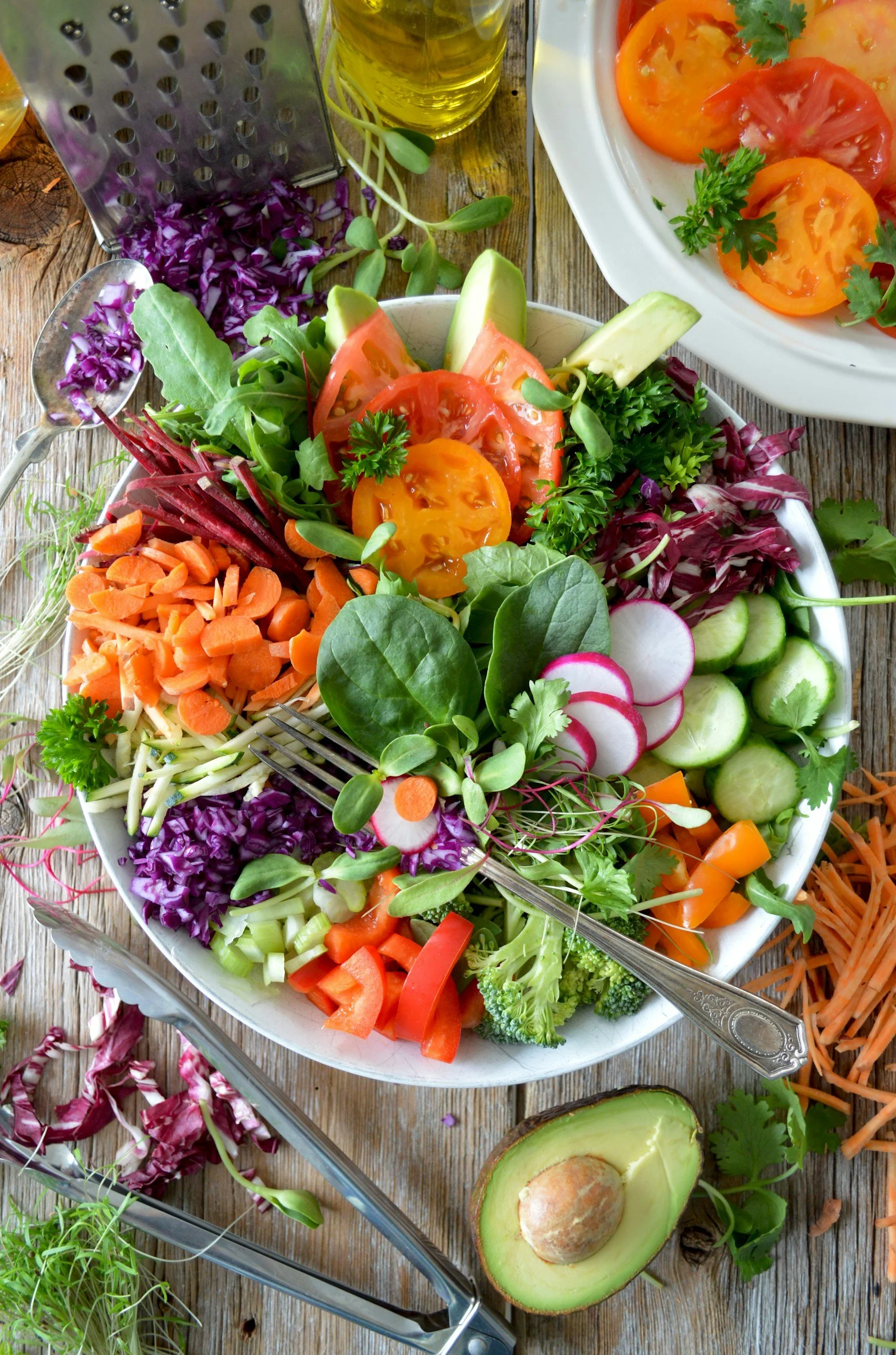
Many women I speak to feel like they eat quite well already.
A typical day might look something like this:
Breakfast: toast with jam or cereal
Lunch: a salad or sandwich
Dinner: a small portion of chicken, pasta or stir fry
Nothing there looks unhealthy.
But if you look closely, most of the day is made up of carbohydrates with very little protein.
Protein only really appears at dinner — and sometimes even that portion is small.
The result?
Your body spends most of the day under-fuelled.
Why This Matters More After 40
As we get older, maintaining muscle becomes even more important.
Muscle doesn’t just give your body shape. It plays a big role in how your metabolism functions and how your body uses energy.
But here’s the challenge: after 40, the body becomes slightly less efficient at maintaining muscle.
That means nutrition becomes even more important than it was in your 20s or 30s.
If protein intake stays low, the body may struggle to maintain muscle properly. Over time, that can contribute to:
• slower metabolism
• increased hunger
• reduced strength
• difficulty losing body fat
This is one reason many women feel like their body has suddenly “changed”.
In reality, their nutrition simply hasn’t adapted to what their body now needs.
Signs Your Body May Not Be Getting Enough Protein
You don’t need to track every gram of food to recognize the signs.
Some common clues include:
You Feel Hungry Soon After Eating
Meals that are mostly carbohydrates digest quickly.
Without enough protein to slow digestion, hunger returns sooner than expected.
You Experience Strong Evening Cravings
When protein intake is low earlier in the day, the body often tries to compensate later.
This is why cravings tend to appear in the evening.
It’s not a lack of discipline.
It’s often a signal that your body needs more nourishment.
Your Energy Feels Unstable
Protein helps stabilize blood sugar levels.
When meals are heavily carbohydrate-based, energy can rise quickly and then crash.
That’s when fatigue and snack cravings appear.
Fat Loss Feels Harder Than It Used To
If muscle maintenance declines and hunger increases, fat loss becomes more difficult.
This is why simply “eating less” rarely solves the problem long term.
Why Guessing Your Protein Intake Doesn’t Work
Once women realize protein might be important, the next question is usually:
"Okay… but how much protein do I actually need?"
And that’s where things get confusing.
Online advice can vary wildly.
Some people suggest extremely high amounts.
Others barely mention protein at all.
The truth is that protein needs are not one-size-fits-all.
Your ideal intake can depend on several things, including:
• body composition
• activity levels
• muscle mass
• metabolism
• lifestyle
This is why guessing — or copying someone else’s diet — often leads to frustration.
The Real Goal: Understanding What Your Body Needs
Your eating habits, lifestyle, metabolism and daily routine all play a role in what your body actually needs. And without looking at the full picture, it’s very easy to guess wrong. That’s exactly why I created the Wellness Snapshot.
It’s a short questionnaire — just eight simple questions about your current eating habits and routines.
Once you complete it, I’ll personally review your answers and send you suggestions via email.
For many women, this is the moment where things finally start to make sense. Instead of trying random advice from the internet, you get clear guidance on the next best step for you.
• Final Thoughts
If you’re over 40 (or really, any age. I struggled with this in my 20’s) and struggling with hunger, cravings or slow weight loss, protein may be a bigger piece of the puzzle than you realize.
Many women are trying to eat less when their body actually needs better nourishment.
Once your body receives the nutrients it needs, everything starts to work more smoothly.
Hunger feels more manageable.
Energy becomes steadier.
And fat loss becomes far more sustainable.
Sometimes the biggest shift isn’t eating less.
It’s eating smarter.