Why Protein Is the Missing Piece in Your Weight Loss After 40
You’ve tried eating less.
You’ve skipped breakfast.
You’ve powered through on coffee.
And yet the scale barely moves.
Here’s what most women over 40 don’t realise: the problem often isn’t that you’re eating too much.
It’s that you’re not eating enough of the right thing.
Let’s look at what actually happens when you start fuelling your body properly — especially with protein.
1. Protein Keeps You Fuller for Longer
Protein is the most satisfying macronutrient. It slows digestion and helps stabilise blood sugar, which means fewer spikes and crashes.
When you eat toast on its own or skip breakfast entirely, your blood sugar rises quickly (or drops too low), and by mid-afternoon you’re starving. By evening, cravings feel impossible to ignore.
That’s not lack of willpower. That’s physiology.
But when you begin your day with protein — eggs, Greek yogurt, cottage cheese, or a simple smoothie — something shifts:
Cravings reduce
Energy feels steadier
Evening overeating becomes less intense
You’re not constantly battling hunger. You’re finally giving your body what it needs.
2. Protein Protects Your Muscle (Which Protects Your Metabolism)
After 40, muscle maintenance becomes non-negotiable.
Muscle gives your body shape and firmness. More importantly, it keeps your metabolism healthier. The more muscle you maintain, the more energy your body burns at rest.
When you under-eat — especially protein — your body may break down muscle for fuel. Over time, that makes fat loss harder and weight regain easier.
This is why simply “eating less” can backfire.
Eating adequate protein helps preserve lean tissue, particularly if you’re doing strength training (even bodyweight exercises at home count).
You’re not trying to shrink yourself into nothing.
You’re trying to become stronger underneath.
3. Protein Slightly Boosts Metabolism
Your body burns more calories digesting protein than it does digesting carbohydrates or fat. This is known as the thermic effect of food.
Is it dramatic? No.
But combined with better appetite control and muscle preservation, it adds up. Protein supports weight management from several angles at once — and that’s why it works so well.
How to Add More Protein (Without complication)
Now let’s make this practical.
You don’t need meal plans that take hours. You don’t need expensive ingredients. You don’t need to track every gram.
You need simple structure.
Start With Breakfast
If you’re skipping breakfast, that’s your first fix.
Try:
Greek yogurt with berries and seeds
Two eggs on wholegrain toast
Cottage cheese with fruit
A protein smoothie with frozen fruit
Even 20–30 grams of protein in the morning can change your entire day.
Prep the night before if mornings are busy. Keep it simple.
Build Meals Around Protein
Instead of thinking, “What am I having for dinner?” think, “What’s my protein source?”
Examples:
Chicken, salmon or lean beef
Tinned tuna
Eggs
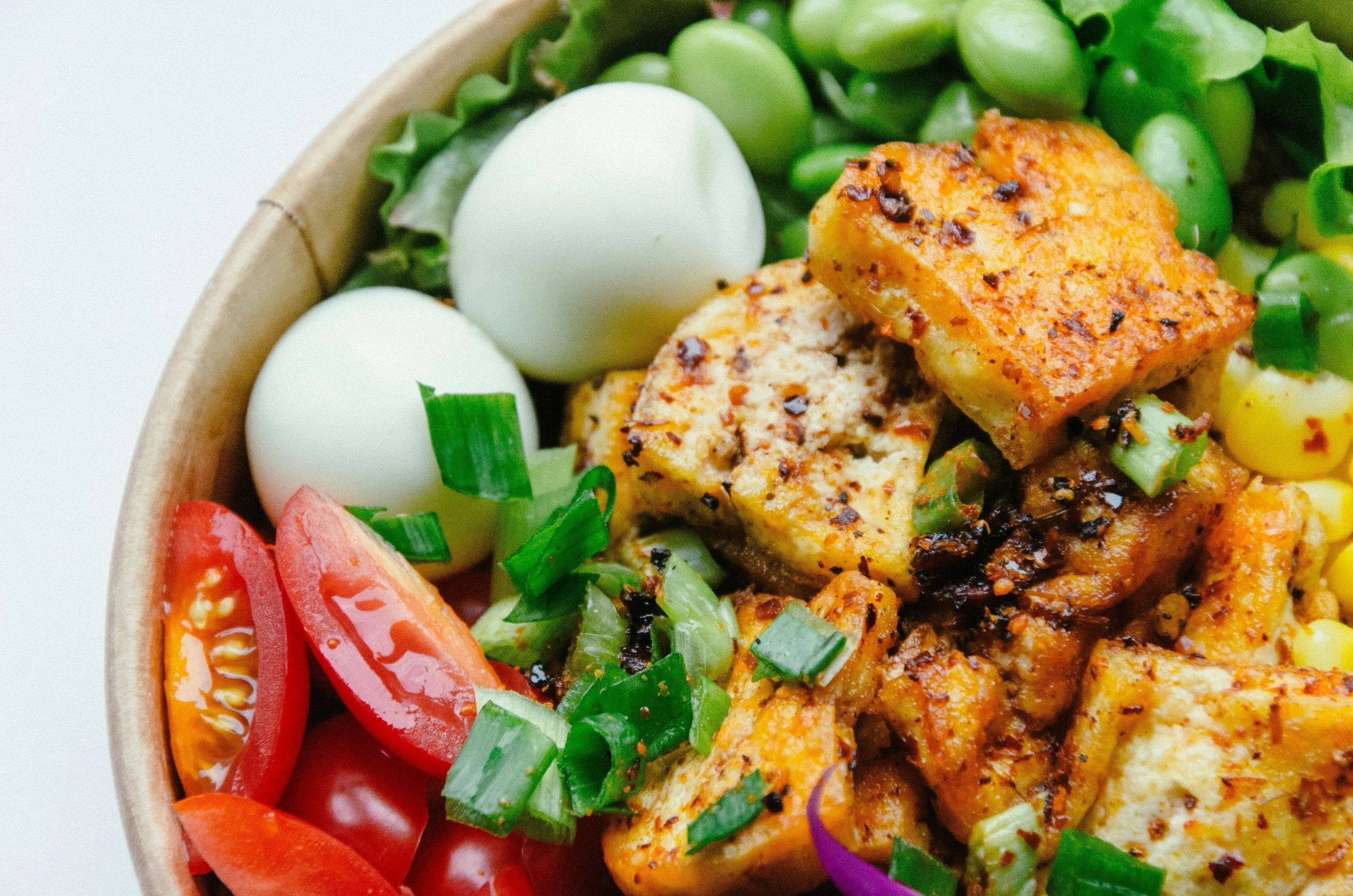
Tofu or tempeh
Lentils or chickpeas
Add vegetables and carbohydrates around that.
One small mental shift. Big results.
Keep It Affordable
Protein doesn’t have to mean premium cuts of meat.
Budget-friendly options include:
Eggs
Tinned fish
Milk
Greek yogurt
Dried or tinned beans
Lentils
Frozen chicken
Simple food works.
If You’re Vegetarian
You absolutely can meet your needs.
Focus on:
Eggs
Greek yogurt and cottage cheese
Tofu and tempeh
Lentils, beans and chickpeas
Edamame
A quality protein powder
You may need to be slightly more intentional, but it’s completely doable.
A Simple Guideline (No Tracking Required)
Aim for a palm-sized portion of protein at each main meal.
That’s it.
No spreadsheets. No food obsession. Just consistent balance.
Final Thoughts
If you’re over 40 and struggling to lose weight, the solution isn’t more restriction.
It’s smarter fueling.
Protein will not make you bulky. It will not harm healthy kidneys. It will not sabotage your progress.
What it will do is:
Help you feel fuller
Protect your muscle
Support your metabolism
Make fat loss feel sustainable
You don’t need to eat less.
You need to eat strategically.
Start with breakfast. Build from there. Stay consistent.
Small shifts, repeated daily, create lasting change.